Vintage Sewing Machine Embroidery Design
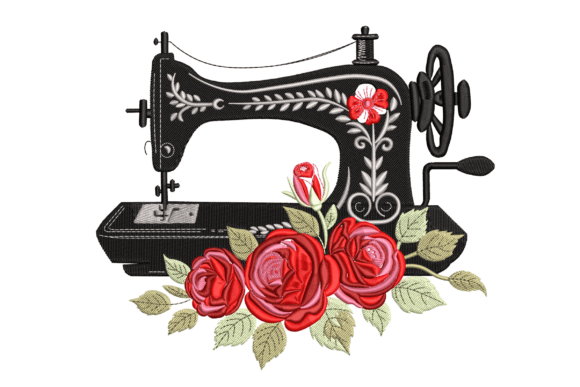
As an embroidery designer and product reviewer, I’ve seen countless machine embroidery designs come and go. But when I first laid eyes on the Vintage Sewing Machine design, it immediately caught my attention. It’s not just another generic motif—it has a distinct personality that feels like it belongs in a handmade shop or a custom apparel project. This is a design that tells a story, and that makes it valuable for both personal and commercial use.
The First Impression: A Design with Character
The Vintage Sewing Machine design exudes a nostalgic charm. Its shape is clean but detailed enough to stand out on any fabric. The layout feels intentional, with a central focus on the machine itself, surrounded by subtle flourishes that add visual interest without overwhelming the piece. The level of detail is just right—enough to make it look professional, but not so intricate that it becomes impractical for most embroidery machines.
This design seems to belong on a tote bag design, a sweatshirt embroidery, or even a personalized gift. Its vintage aesthetic pairs well with rustic fabrics, linen, or cotton blends. It’s the kind of design that could easily become a signature piece for a small shop or an Etsy seller looking to offer something unique.
Real-World Use: How It Performs in Practice
When I tested the Vintage Sewing Machine on a sample t-shirt, it stitched up smoothly. The stitch density was consistent, and the design didn’t require excessive stabilizer. That’s a big plus for anyone who wants to avoid overcomplicating their project. The design works well on medium-weight fabrics like cotton or canvas, making it ideal for custom apparel or small business merchandise.
But there are some considerations. On thin fabric or stretchy fabric, the design might need extra support. I noticed that without proper stabilizer, the details could blur slightly, especially around the edges of the machine. For baby embroidery or nursery decor, this could be a concern if the fabric isn’t handled carefully.
On dark fabric, the design looked great with a contrasting thread color. But on lighter backgrounds, it might appear too faint unless you choose a bold thread shade. That’s something to keep in mind if you’re planning to sell this as a digital embroidery file or include it in a printable mockup.
Where to Use It Carefully
While the Vintage Sewing Machine is versatile, it’s not perfect for every situation. If you’re working with a small hoop size, you might find that the design doesn’t fit comfortably. Larger hoops will give you more flexibility, especially if you plan to use it on a patch or apron.
On curved surfaces like a cap or hat, the design may stretch slightly, which can affect the overall appearance. Also, if you're using it on a layered garment or something with a lot of texture, the stitching might not sit as flat as you’d like. This is where testing on scrap fabric before committing to a final project is essential.
The design also has some delicate elements, like the tiny details on the sewing machine itself. If you’re working with tiny lettering or decorative accents, you’ll want to double-check how they translate on different fabrics and sizes.
Impact on Visual Appeal and Customer Perception
One of the biggest strengths of the Vintage Sewing Machine design is its ability to elevate a handmade product. It adds a sense of authenticity and craftsmanship that customers appreciate. When used on a personalized gift or a holiday embroidery project, it can make a significant difference in how the finished product is received.
From a brand consistency standpoint, this design could serve as a strong visual anchor for a small business or craft brand. It’s professional enough for a commercial embroidery project but still retains that handmade feel that appeals to buyers looking for something unique.
It also helps with buyer engagement. Customers are drawn to designs that have a story or a clear visual identity. The Vintage Sewing Machine does both, which makes it a smart choice for Etsy sellers or craft fair products.
Practical Tips for Designers and Sellers
If you’re planning to use the Vintage Sewing Machine in your own projects or sell it as a digital product, here are a few practical tips:
- Test the design on scrap fabric before using it on a final item.
- Check thread color contrast to ensure visibility on different fabric backgrounds.
- Review stitch density to avoid issues on delicate or stretchy materials.
- Confirm hoop size requirements to make sure it fits your machine.
- Inspect small details to ensure clarity, especially if the design includes text or intricate elements.
- Test it in black and white mockups to see how it looks without color.
- Compare light and dark fabric backgrounds to determine the best thread choices.
- Use proper stabilizer for delicate or stretchy fabrics.
- Confirm whether the design works for both personal and commercial projects.
- Check licensing terms before selling finished items or digital products.
Final Thoughts: A Design Worth Considering
The Vintage Sewing Machine is a thoughtful, well-designed embroidery file that offers both style and functionality. It’s ideal for a range of embroidery projects, from tote bags to personalized gifts, and it has the potential to enhance a wide variety of small shop products or craft business offerings.
While it may not be perfect for every fabric or project, it’s a solid choice for those looking to add a touch of nostalgia and character to their work. As with any machine embroidery design, it’s important to test it thoroughly and consider how it will perform in real-world scenarios. With the right approach, the Vintage Sewing Machine can become a valuable addition to your design assets.